

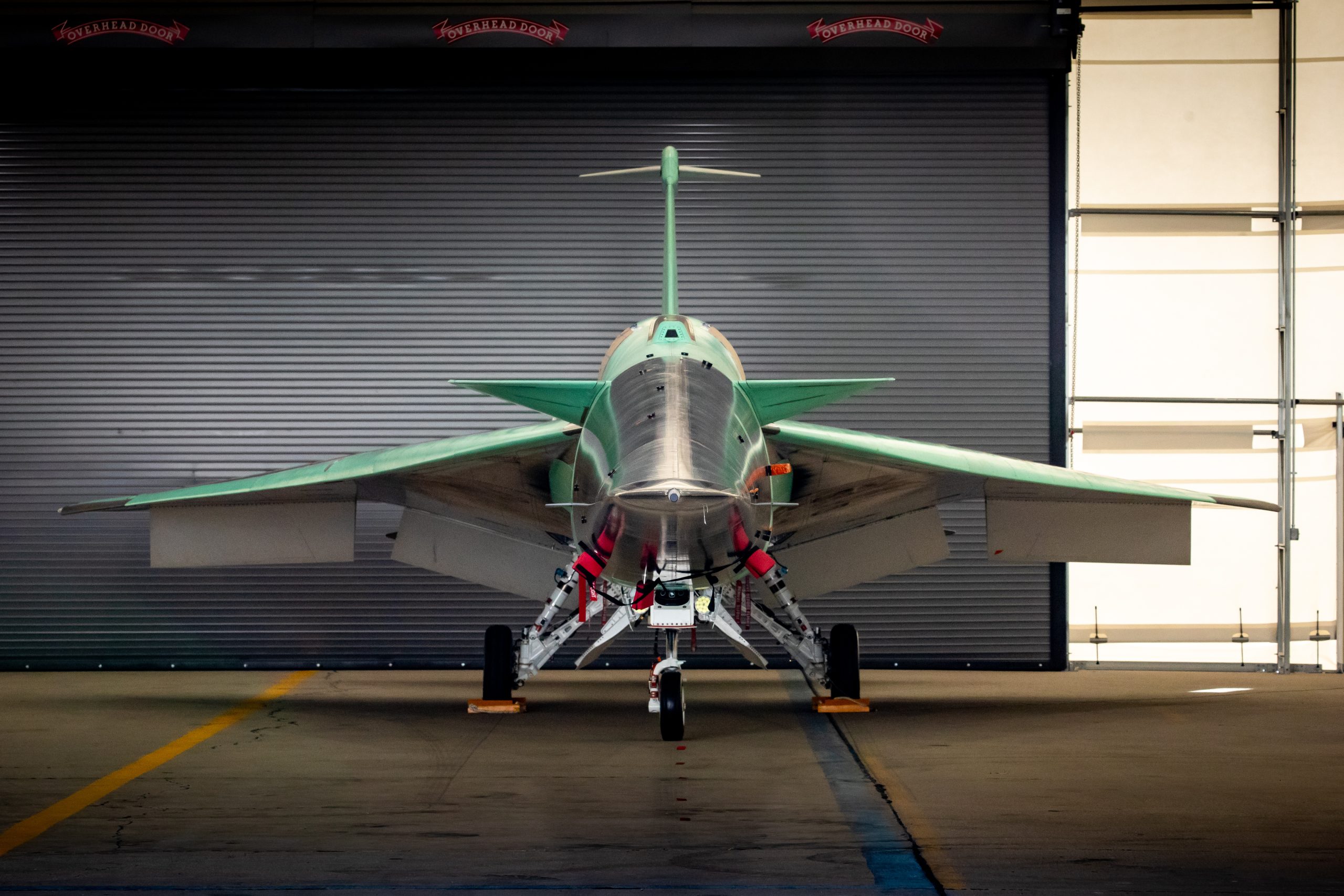
The research aircraft is the central part of Nasa’s Quesst mission, which aims to demonstrate the ability to fly at supersonic speeds – faster than Mach 1 – while reducing the loud sonic boom to a a relatively quiet “thump”. Basically, how to make supersonic flight over land possible, which would dramatically reduce travel time.
Its development is progressing, says the space agency, as the X-59 prepares for its first and subsequent flights. Next up, the team will conduct significant ground tests to ensure the aircraft is safe to fly.
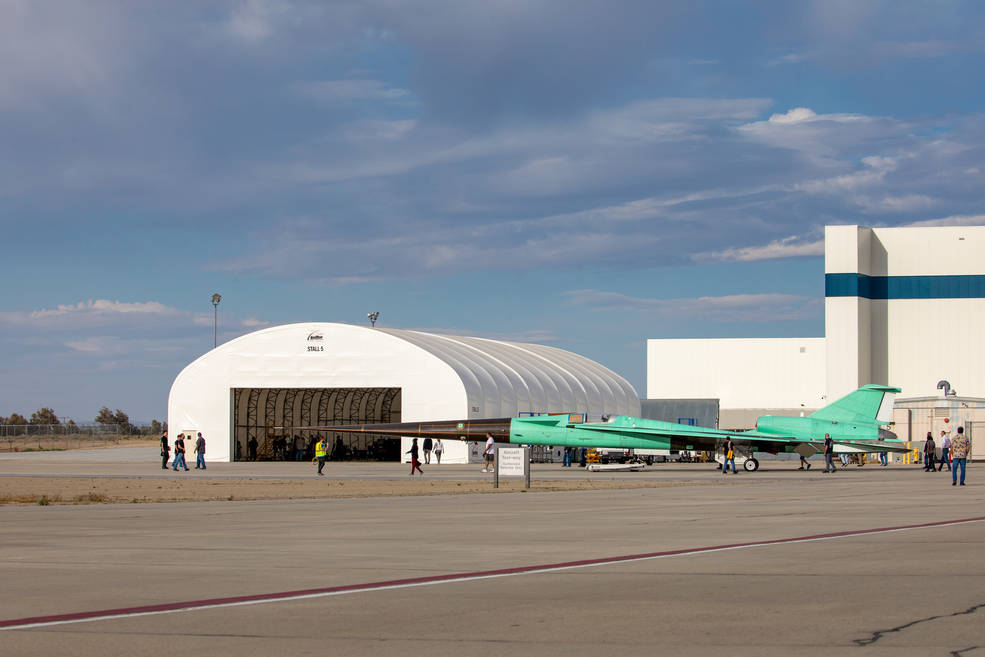 Next, the X-59 will fly over a number of populated areas to gather human responses to the sounds generated by the supersonic flight. Then the data gathered will be delivered to U.S. and international regulators, to possibly enable commercial supersonic flight over land…
You can read more about Quesst here. The mission involves two of Nasa’s aeronautics programs, it says – the Advanced Air Vehicles Program and the Integrated Aviation Systems Program – and is managed by a systems project office whose members span both programs and all four of NASA’s aeronautical research field centers: Langley Research Center in Virginia; Glenn Research Center in Cleveland; and Ames Research Center and Armstrong Flight Research Center, both located in California.
Image: Garry Tice, Lockheed Martin / Nasa
See also: Gadget-In-Extremis: LG 272-inch MAGNIT 8K Micro LED display

